If you’ve been paying attention to the audiobook world lately, you’ve probably noticed a big shift. AI‑generated audiobooks are evolving quickly, but they still have major challenges to overcome. AI‑generated narration is no longer a quirky experiment—it’s becoming a real part of the publishing ecosystem. Some authors love it. Some listeners hate it. And everyone seems to have questions about where this is heading.
Let’s talk about it honestly, conversationally, and with a little bit of insider perspective.
The Current State of AI Generated Audiobooks
Right now, synthetic voices are everywhere. They’ve gone from stiff, robotic monotones to surprisingly natural voices that can handle pacing, tone, and even a bit of emotion. Companies like:
- Apple Books Digital Narration https://www.apple.com/newsroom/2023/01/apple-books-expands-digital-narration/ (apple.com in Bing)
- Google Cloud Text‑to‑Speech https://cloud.google.com/text-to-speech (cloud.google.com in Bing)
- ElevenLabs Voice AI https://elevenlabs.io/
- OpenAI Text‑to‑Speech https://platform.openai.com/docs/guides/text-to-speech (platform.openai.com in Bing)
…are pushing out voice models that improve every few months.
And authors—especially indie authors—are paying attention. When you can produce an audiobook in hours instead of weeks, and for a fraction of the cost, it’s hard not to be curious.
Usage is climbing fastest in:
- Nonfiction
- Technical guides
- Short books
- Anything where clarity matters more than performance
Listeners are warming up to AI in these categories. But for fiction? For emotional memoirs? For character‑driven stories? Acceptance is still mixed. Some people enjoy the consistency. Others say the voices feel “off” after a few chapters.
The Problems We’re Still Wrestling With
AI narration is improving fast, but it’s not perfect.
Voice Fatigue
A synthetic voice might sound great for five minutes, but after an hour, you start noticing patterns—little repetitive rhythms or slightly unnatural inflections. Your brain picks up on them, and suddenly you’re tired.
Pronunciation Issues
AI still struggles with:
- Character names
- Regional accents
- Fictional languages
- Words with multiple meanings
- Cultural nuance
You know that moment when a narrator mispronounces a name you’ve heard in your head for years? AI does that a lot.
Emotional Flatness
Humans naturally understand subtext—sarcasm, tension, humor, grief. AI often delivers these moments with the emotional range of a polite voicemail.
Character Differentiation
Multi‑voice narration is still in its infancy. AI can change pitch or tone, but giving characters truly distinct personalities? That’s a harder problem.
Ethical Concerns
Voice cloning, training data, narrator displacement, and platform rules all complicate adoption. Some distributors still ban AI‑generated audiobooks outright.
What Human Narrators Bring to the Table
A great narrator doesn’t just read a book—they perform it. They give characters distinct voices, adjust pacing based on the scene, and bring emotional intelligence to every line.
And that artistry comes with a cost.
Professional narration typically runs:
- $200–$500 per finished hour for mid‑tier talent
- $1,000+ per finished hour for top narrators
A 10‑hour audiobook can easily cost $2,000–$10,000+ once you factor in recording, editing, mastering, retakes, and quality control. And the timeline? Usually 2–8 weeks.
Humans bring magic. But they also bring time, budget, and logistical complexity.
The Goal for AI Narration
In short: the best of both worlds.
We want:
- Clear, natural speech
- Voices that feel human without sounding uncanny
- Distinct character voices
- Proper pronunciation
- Emotional authenticity
- Comfortable long‑form listening
- Fast, affordable production
Basically, we want AI to deliver the clarity and consistency of synthetic voices plus the emotional intelligence and nuance of human narrators.
How We Actually Get There
This isn’t magic. It’s engineering, training, and iteration.
Better Training Data
Ethically sourced, high‑quality voice datasets with more accents, emotional styles, and narrative examples.
Context‑Aware Narration
Future models will understand chapters, scenes, character arcs, and emotional beats—not just individual sentences.
Dynamic Voice Systems
Imagine selecting a base voice and adjusting sliders for warmth, tension, humor, or pacing.
Pronunciation Intelligence
AI will pull from IPA dictionaries, cultural databases, and author‑provided glossaries.
Human‑AI Hybrid Workflows
Authors or narrators guide the AI—marking emotional cues, choosing voice profiles, correcting tricky passages.
Industry Standards
Distributors will eventually adopt certification guidelines for AI‑generated audio.
Listener Adaptation
As synthetic voices become more natural, resistance will fade.
Why I’m Building My Own AI Audiobook System
Now, here’s where this gets personal.
I don’t make money on my books—not yet, anyway. But I do want to extend my reach, and audiobooks are one of the best ways to do that. The problem is that nothing I’ve found meets all the criteria I’ve talked about in this blog. Not the emotional nuance. Not the character differentiation. Not the pronunciation accuracy. Not the long‑form listening comfort.
So I’m building my own system.
I’m a software creator, and AI gives me the tools to tackle this myself. Everything runs locally, partly because I like experimenting without limits, and partly because the only cost is electricity and patience. My hardware is old, so processing takes hours—but progress is progress.
One example: name pronunciation. My system scans the entire book, finds every name, and lets me listen to how the AI would pronounce it. If it gets something wrong, I can add phonetic guidance and lock in the correct pronunciation. It’s not perfect yet, but it’s already a big improvement.
My goals are simple:
- Distinct voices for different speakers
- A narrator you can listen to for an entire novel
- Emotional tone that matches the story
- Natural pronunciation across the board
When I get this working the way I want, I plan to convert all my books to audio and offer them to readers.
I’ll share updates as the project evolves.
The Future: Audiobooks for Everyone
Here’s the real promise of AI narration: accessibility.
Every author—especially indie authors—should be able to offer an audiobook without needing thousands of dollars or months of production time. AI won’t replace human narrators as artists, but it will democratize audio creation.
We’re heading toward a world where:
- Every book can have an audio edition
- AI voices sound natural, distinct, and emotionally aware
- Human narrators continue to thrive as premium performers
- Authors can choose the right tool for the right project
And listeners? They’ll get more stories, more formats, and more ways to enjoy the books they love.
I’m excited to be building a small part of that future—one update at a time.
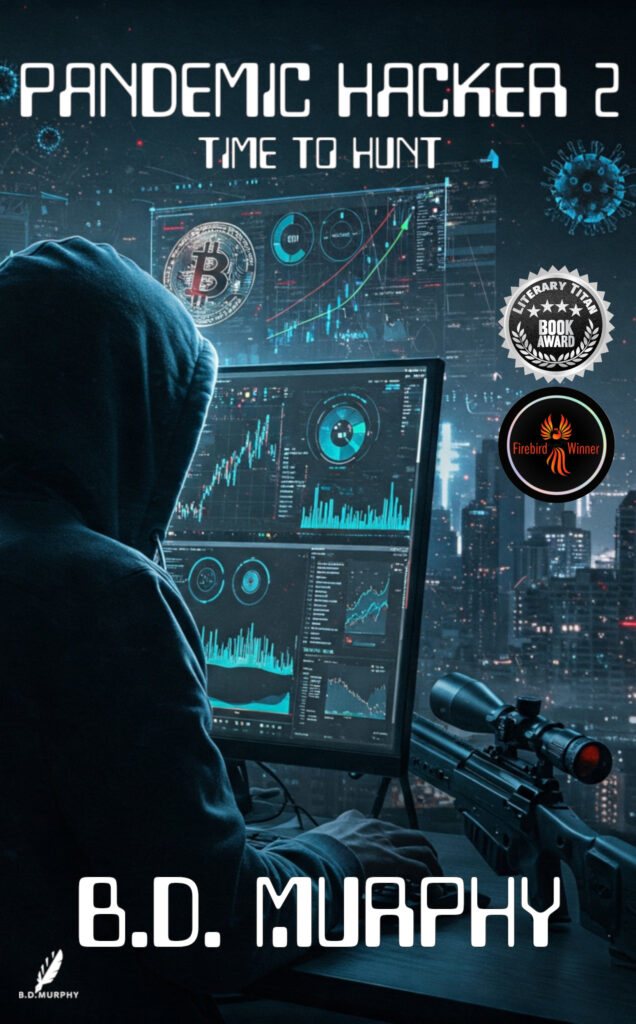
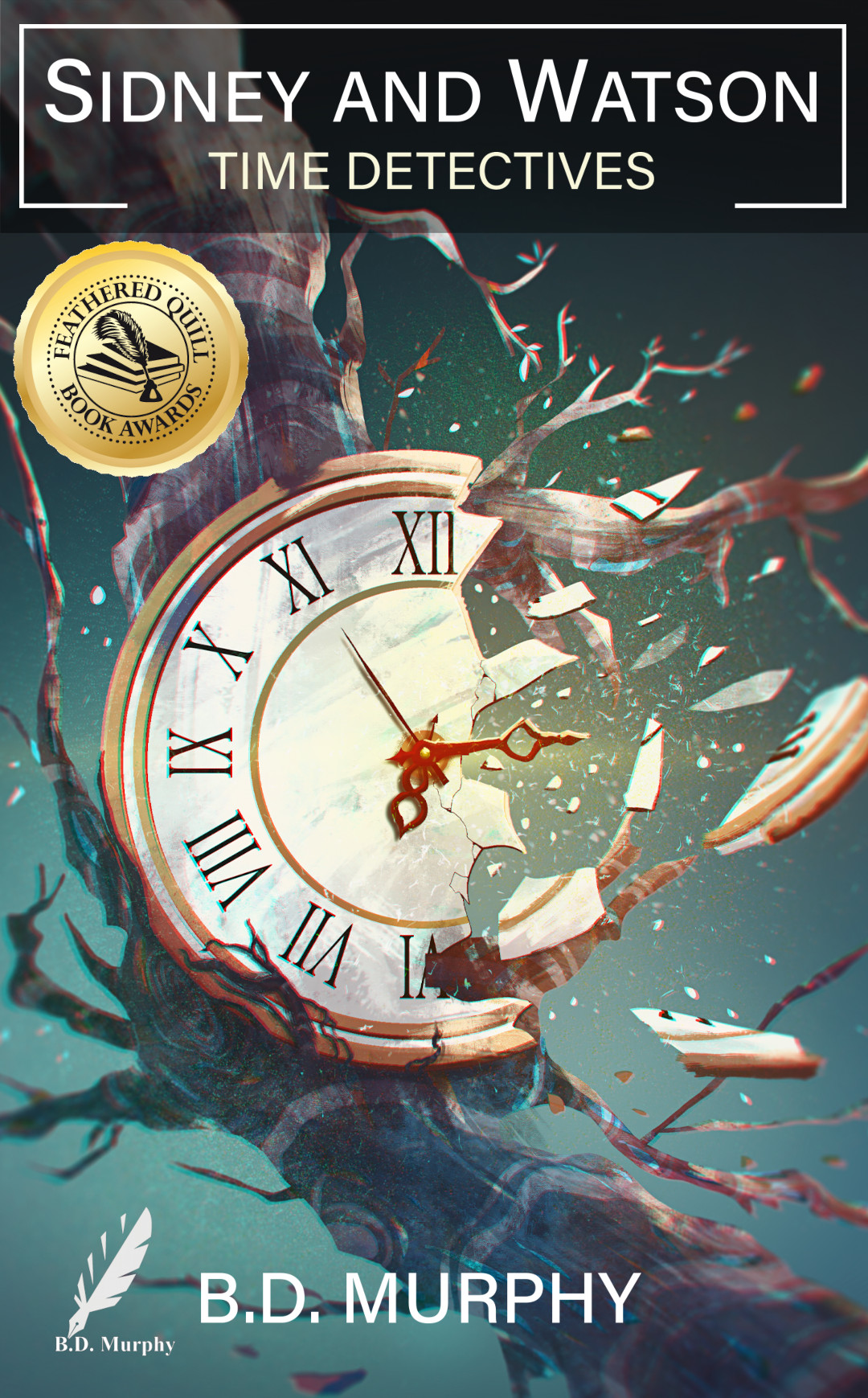
Explore My Books — Which One Should Become an Audiobook First?
If you’d like to see the stories I’m working to bring into audio format, you can browse my books here:
👉 https://authorbdmurphy.com/books
Which one would you want to hear as an audiobook first?